

What to Do After a Storm: A Roof Checklist For Homeowners
June 24, 2026
Summer is here, and with that comes summer storms. Strong storms can cause damage to your roof, especially when they bring heavy rain, strong winds, and falling debris. We have already seen our fair share of this type of weather right here across the Capital Region this season. The good news is that most roofs in the area are built to handle the Northeast climate. Still, severe weather can sometimes expose weak spots or cause damage to your roof.
After a storm passes, a quick check of your roof can go a long way in catching small issues early. You do not need to get on the roof to do this safely. In many cases, a simple ground-level inspection is enough to spot potential concerns.
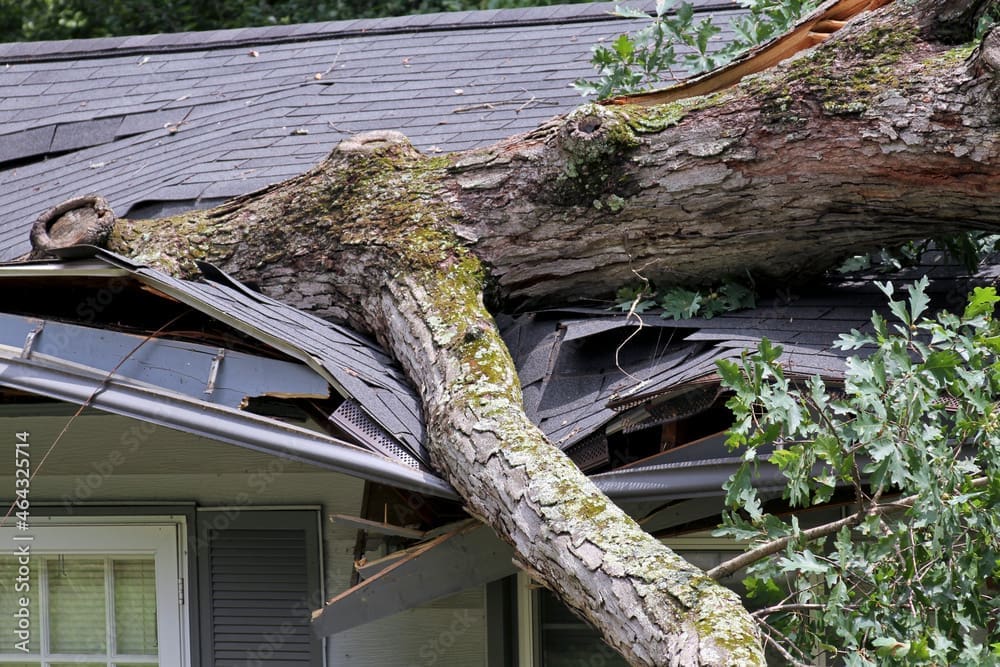
Here is a straightforward post-storm roof checklist to help you know what to look for:
1. Check for Missing or Damaged Shingles
One of the first things to check after a storm is the condition of your shingles. Strong winds can loosen, lift, crack, or even tear shingles completely off your roof.
Typically, signs of shingle damage can be spotted from the ground, so there is no need to climb on to your roof. Look for bare patches, uneven roof lines, or shingles that appear curled or out of place. You may even notice pieces of shingles in your yard after heavy winds.
Even one missing shingle can leave part of your roof more vulnerable to water intrusion. If something looks off, it is worth having it inspected.
2. Look for Debris on the Roof
After a storm, it is also a good idea to look for any debris that may have landed on your roof. This can include tree branches, large sticks, leaves, or any other materials carried by strong winds.
Even small debris can cause problems over time. Branches can scrape or damage shingles, while leaves and other buildup can trap moisture against the roof surface. Heavier debris can also put unnecessary stress on certain areas of the roof, especially if it sits there for an extended period of time. Pay close attention to areas near valleys, roof edges, or anywhere debris may naturally collect.
If you notice larger branches or anything that looks heavy or difficult to remove safely, avoid trying to handle it yourself and have it inspected properly.
3. Check Gutters and Downspouts
Your gutters and downspouts might also need some attention after a storm. Since they help move water away from your home, any damage or blockage can quickly lead to drainage issues.
Look for gutters that appear loose, sagging, dented, or pulled away from the house. It is also smart to check for leaves, sticks, and other debris that may be clogging them. If the water can’t drain properly, it could back up underneath the roof, which could lead to larger damage further down the line.
While checking your gutters, also pay attention to shingle granules collecting. Some granule loss is normal over time, especially on older roofs, but a noticeable buildup after a storm can sometimes point to roof wear.
4. Check Flashing Around Roof Features
Some of the most vulnerable areas of a roof are around chimneys, vents, skylights, and other similar features. These areas handle a lot of water runoff and rely on flashing and proper sealing to stay watertight.
Strong winds, heavy rain, and debris can sometimes loosen flashing or wear down sealed areas over time. If a leak appears after a storm, these are some of the first places where problems tend to show up.
5. Look for Signs of Water Inside Your Home
Not all storm damage shows up on the outside. Sometimes the first signs of a roofing issue actually appear on the inside of your home.
After a major storm, especially one with heavy rain, take a quick look at your ceilings, walls, and attic if accessible. Water stains, damp spots, peeling paint, or musty odors can all be signs that moisture is getting in somewhere.
In some cases, storm damage may not cause an immediate leak, but it can create small openings that allow water in over time. Other times, heavy rain may simply expose pre-existing issues that were already developing, such as small leaks or worn areas that had not become noticeable yet. Either way, interior signs of moisture are worth paying attention to before they turn into larger problems.
6. Know When to Call a Professional
Sometimes storm damage is obvious, but not always. Even if everything looks fine from the ground, there may be some issues that are easy to miss without a closer inspection.
If you do notice any missing shingles, fallen debris, interior water stains, or anything else that seems unusual, it may be worth having your roof looked at by a professional. In many cases, catching a problem early can help prevent more extensive damage and more costly repairs later on.
What NOT to Do After a Storm
Just as important as knowing what to check is knowing what to avoid after a storm. Here are a few things we recommend homeowners don’t do:
- Do not climb on your roof yourself. Wet surfaces, loose shingles, and hidden damage can make climbing on your roof especially dangerous after a storm.
- Do not ignore small signs of damage. A missing shingle or minor leak may not seem like a big deal, but small problems can worsen over time if left unaddressed.
- Do not wait until the next storm to take action. If something looks off, the sooner you can address it can help prevent more extensive repairs later.
Conclusion
Not every storm will cause major roofing issues, and in most cases roofs in our area handle severe weather well. However, storms can sometimes create new damage or even reveal weak spots that were already there.
Taking a few minutes to check your roof after a storm can help you catch small issues before they turn into bigger problems. If you notice anything concerning or simply want peace of mind, KC Entities Roofing and Siding is happy to help! Contact us today for a roof inspection!
Comments
By providing a telephone number and submitting the form you are consenting to be contacted by text message or phone call (our message frequency may vary). See our privacy policy.

